Language
 Currency


 Categories






130.77
Available
Ships today if ordered before 12:00


| Voltage | 6S - 22,2V |
|---|---|
| Pojemność akumulatora | 1510-2009mAh |
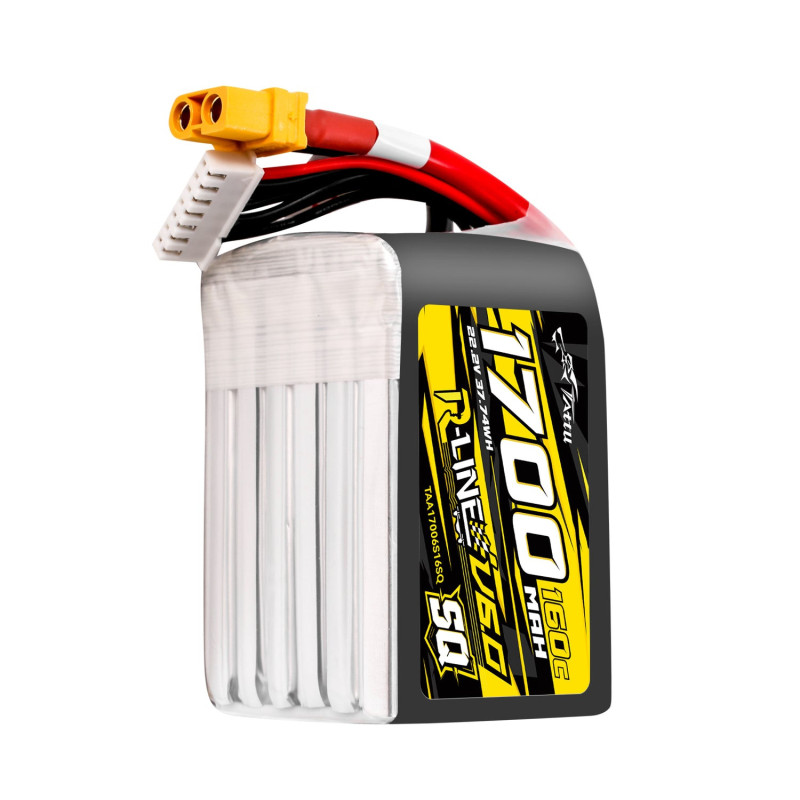
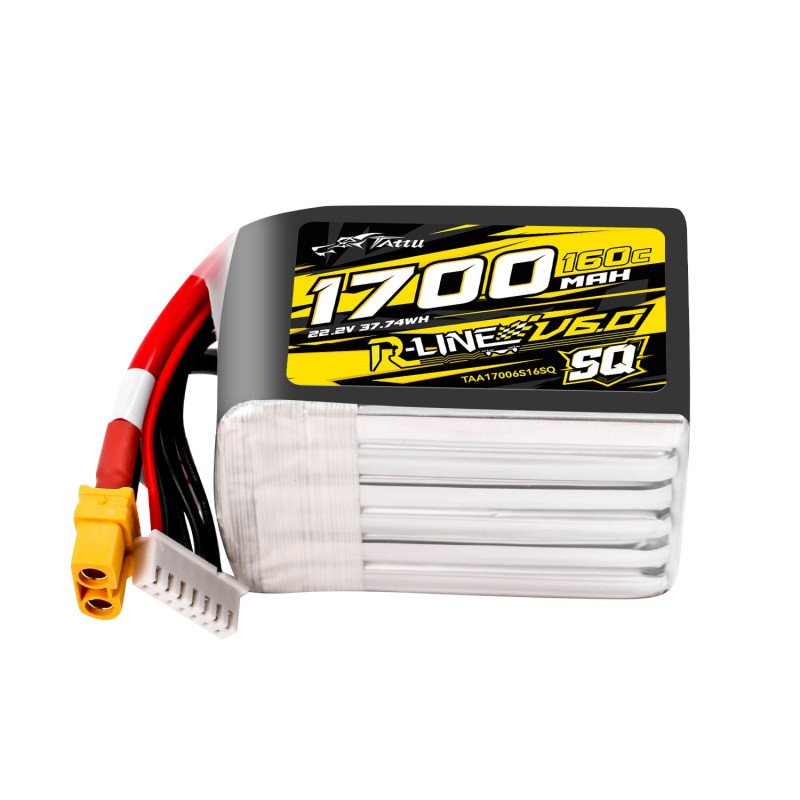
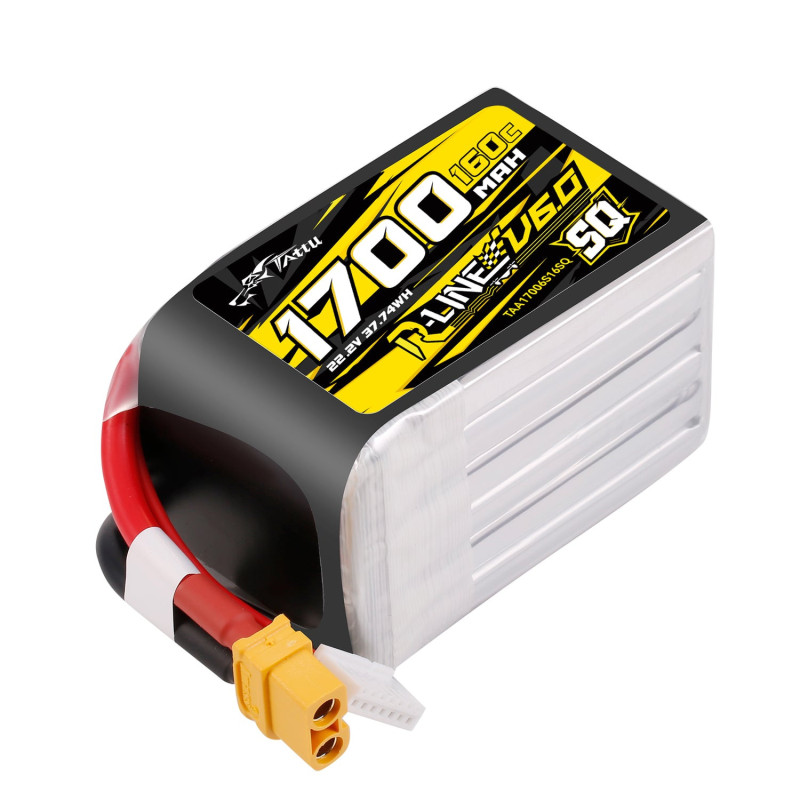
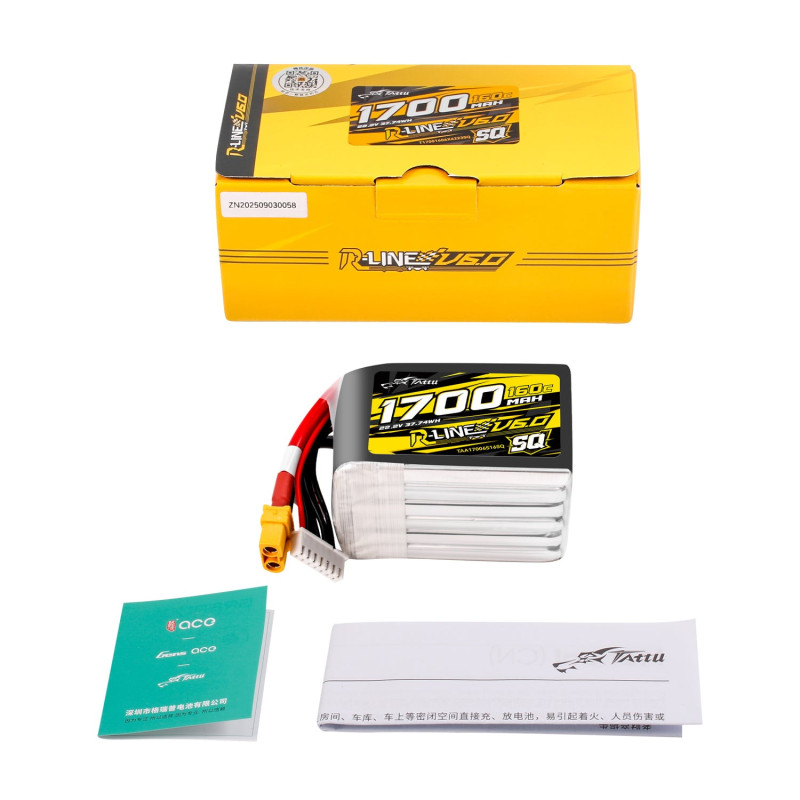
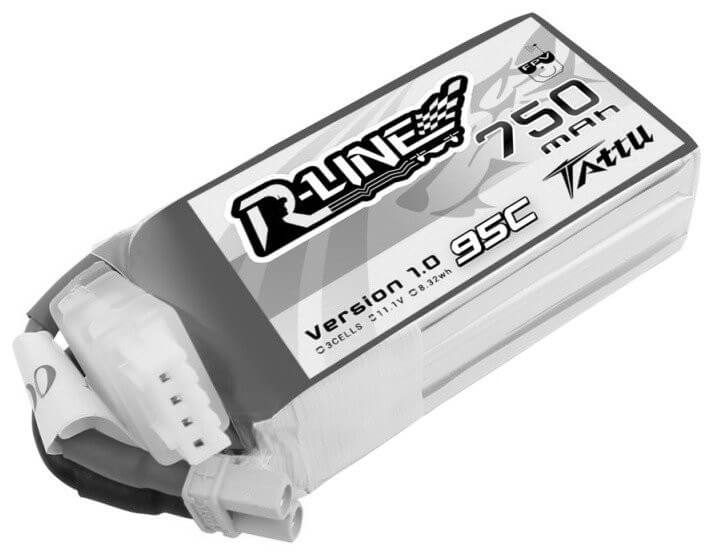
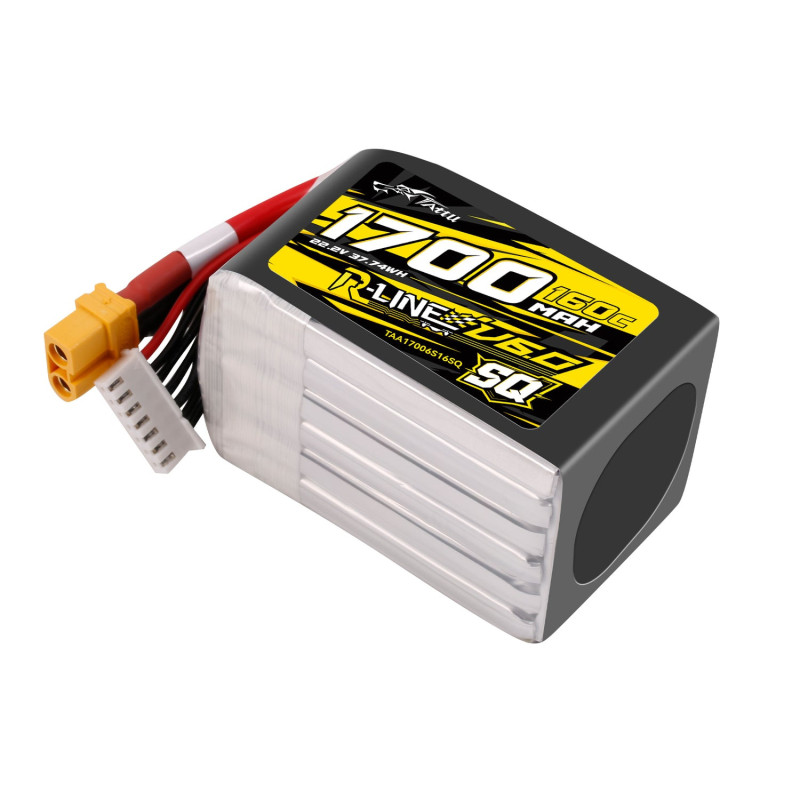
Tattu R-Line Version 6.0 1700mAh 22.2V 160C 6S1P Lipo Battery Pack (SQ - Short Version)
The Tattu R-Line Version 6.0 1700mAh 22.2V 160C 6S1P in the SQ (Short Version) variant is a high-performance breakthrough for professional FPV pilots. The V6.0 series utilizes a cutting-edge semi-solid electrolyte formula, which allows for significantly higher energy density and improved safety compared to traditional liquid LiPo batteries.
The SQ shape is specifically designed to centralize weight on the drone’s frame. This "stubby" form factor improves the center of gravity (CG), leading to more precise handling and better flight dynamics during aggressive maneuvers. Powered by 3D Conductive Tech (a network of graphite, carbon nanotubes, and graphene), the battery maintains a high voltage platform during bursts. Nano-particle electrodes further reduce internal resistance (IR) by 20%, ensuring instant throttle response.
SQ Form Factor: "Short" design for optimized center of gravity and handling.
Semi-Solid Electrolyte: Higher safety, lower liquid content, and increased energy density (up to +17% by weight).
3D Conductive Network: Graphite, CNTs, and graphene for ultra-stable high-current output.
Nano-Materials: Porous electrode structure for faster ion diffusion and less voltage sag.
160C C-Rate: Engineered for the highest levels of competitive racing and freestyle.
| Feature | Details |
| Capacity | 1700mAh |
| Voltage | 22.2V / 6S / 6 Cells |
| C-rate | 160C |
| Net Weight | approx. 250g |
| Dimensions (LxWxH) | approx. 71 x 42 x 41mm |
| Discharge Plug | XT60 |
| Shape | SQ (Short / Stubby) |
| Configuration | 6S1P |
High-performance 5" FPV racing drones.
Freestyle builds where mass centralization is critical for rotation authority.
Never leave a charging battery unattended.
Only use chargers specifically designed for LiPo batteries (balance charging is highly recommended).
Always use a fireproof charging bag (LiPo Bag) during charging and transport.
Do not discharge the cells below 3.0V per cell (landing at 3.5V is recommended).
Protect the battery from mechanical damage, punctures, and extreme temperatures.